Mumbai: Banks are increasingly giving loans to borrowers rated prime and above, latest data from an assessor focused on individual credit showed, indicating risk aversion among lenders at a time when job expansions at corporate India have become rather tentative amid an AI-led onslaught on repetitive tasks.Data from credit bureau TransUnion CIBIL showed that the bulk of new loan originations are concentrated among borrowers with a CIBIL score of 730 and above. The shift away from riskier segments is also evident in the declining share of new-to-credit customers, whose proportion of total originations has fallen sharply to 16% in January 2026 from 22% two years ago."The industry's preference for prime and above has gone up and at the same time, the industry is preferring existing-to-credit customers," said Bhavesh Jain, MD and CEO, TransUnion CIBIL. "The industry is preferring higher ticket size loans. Within existing credit also, we have seen an increasing trend where lenders are preferring existing-to-lender, or existing-to-bank or existing-to-NBFC, because the loan amounts are very high."Despite the cautious lending environment, overall credit market health has improved. TransUnion CIBIL's March 2026 Credit Market Indicator (CMI) rose to 102 for the quarter ended December 2025, up from 97 in the same quarter of the previous year. The improvement was driven largely by better asset quality, with balance-level 90-plus days past due (DPD) delinquencies improving across key product segments, pushing the CMI's performance sub-index up six points to 107 in December 2025 from 101 a year earlier.The sole area of stress was the micro-loan against property (LAP) segment, where balance-level 90-plus DPD delinquency rose 35 basis points year-on-year to 3.1% in December 2025 - though levels have remained broadly stable and range-bound since the previous quarter.On the supply side, the CMI rose to 98 in the December 2025 quarter from 91 in the December 2024 quarter, propelled by a surge in gold loan volumes and values. Rising gold prices have encouraged consumers to avail higher-ticket gold loans, with the average gold loan ticket size growing 1.8 times since March 2023. The indexed growth in average gold loan ticket size touched 189 points in the December 2025 quarter, compared to 132 in the same quarter of the previous year, with the average ticket size for the three months ended December 2025 standing at ₹1.9 lakh.Gold loans now account for the largest share of retail lending by both volume (36%) and value (39%) - more than a third of total retail loan supply - and in terms of outstanding balances, are now second only to housing loans.
from Economic Times https://ift.tt/K0B6PqA
via IFTTT

Tuesday, March 31, 2026
Rising fuel costs put brakes on CV financing
Mumbai: Bank lending to the commercial vehicle (CV) segment faces increasing pressure as the ongoing Iran war has sparked a surge in fuel costs and operating expenses for fleet operators across India.Higher fuel prices are inflating overall logistics costs, prompting fleet owners to defer new vehicle purchases and slowing credit offtake for CV loans. Small fleet operators face the twin threats of compressed cash flows and weakening repayment capacity, a combination that analysts warn could accelerate delinquencies in a segment already showing early signs of stress."We are already seeing customers postpone purchases due to prevailing uncertainty, which is likely to significantly impact fleet utilisation," the head of micro, small and medium enterprises lending at a leading private sector bank said on condition of anonymity. "Any increase in retail diesel prices will sharply affect the commercial vehicle segment, particularly lower-end vehicles. With India's exports clearly slowing, freight movement is also taking a hit, as lower export volumes translate into reduced demand for transportation."The escalating conflict in West Asia has propelled crude oil prices to $115 per barrel, sharply higher than the $70 per barrel levels seen before the US-Israeli strikes on Iran on February 28. The price surge has begun to impact domestic fuel prices.129934957 Nayara Energy, one of India's largest private sector fuel retailers, has raised diesel prices by ₹3 per litre at its pumps, with industrial diesel rates also moving up-a direct cost escalation for fleet operators and logistics companies that run on thin margins.To cushion the blow on consumers and contain broader inflationary spillovers, the Centre has cut excise duty on petrol and diesel, partially offsetting the impact of higher global crude prices.According to an analysis by Nomura, most large commercial fleet operators will be able to pass on fuel cost increases relatively quickly. However, the bigger challenge lies in the reduction in the number of trips."While most large fleet operators will pass on the higher fuel cost immediately, individual vehicle owners may face challenges," said Shreya Shivani, research analyst at Nomura Financial Advisory and Securities (India). "We see greater impact from the slowdown in business activity. Post-Covid, the vehicle loan segment has benefited from healthy freight rates, stable fuel prices, decent economic activity and, most recently, GST (goods and services tax) cuts. However, current global events put this segment at risk."For newer fleet operators, the drag on cash flows from fewer trips will be sharper than for established players, said Nomura.Delinquency levels in the CV segment increased 0.3 percentage points to 2.1% in January, compared to the levels a few months ago, according to credit bureau TransUnion CIBIL, and the worsening geopolitical situation threatens to push this higher.
from Economic Times https://ift.tt/7stEpPO
via IFTTT
from Economic Times https://ift.tt/7stEpPO
via IFTTT
Monday, March 30, 2026
Oil Terminal, 90% Crude Exports: What Trump Could Get From Kharg Island
A scrubby island in the Gulf that is roughly one third the size of Manhattan, Kharg Island is the nerve centre of the Iranian oil industry -- and at the heart of US President Donald Trump's latest efforts to pressure Tehran.
On Monday Trump vowed that a failure by Iran to agree a deal to end the war could see the United States "completely obliterating" the export hub.
A day earlier, he had said the United States could take the island, eyed by the Pentagon for ground operations, "very easily".
So what are Trump's options, and how might Iran react if he presses on this pressure point?
What Is Kharg Island?
It may be a mere scrap of land, but Kharg handles around 90 per cent of Iran's crude exports, according to a report by US bank JP Morgan.
Located in the north of the Gulf, around 30 kilometres (20 miles) from the Iranian coast and more than 500 kilometres from the Strait of Hormuz, it has no oil wells.
But it has Iran's largest oil terminal, oil pipelines, storage tanks and related infrastructure.
It also has military facilities, some of which have already been hit by Israeli-US strikes.
On March 13, "US forces executed a large-scale precision strike on Kharg Island", Centcom, the US military command for the region, said.
"The strike destroyed naval mine storage facilities, missile storage bunkers and multiple other military sites. US forces successfully struck more than 90 Iranian military targets on Kharg Island, while preserving the oil infrastructure."
Sources close to US intelligence services told US broadcaster CNN Iran had deployed additional troops and defence systems to the area in recent weeks, including MANPAD-type surface-to-air missiles and mines.
Trump's Options?
There appear to be three routes for US forces wishing to seize the island -- an airborne attack; an amphibious operation; or a combination of the two.
The Pentagon is currently moving US paratroopers and Marines into the area.
"(The) US combat force build-up sets the stage for (a) potential ground offensive in Iran," said US think tank Soufan.
Centcom former commander General Joseph Votel told The War Zone website this month it would not take that many soldiers to seize Kharg.
"On a small island like Kharg, I imagine you'd need a battalion of Marines. We are therefore talking about a force of 800 to 1,000 men, perhaps a little fewer, certainly not much more," he said.
But taking Kharg and holding onto it "are two different things", stressed Professor Phillips O'Brien of the University of St Andrews in Scotland.
He said the US military would struggle to retain the island within range of Iranian missiles and drones.
Just 60 kilometres away is the city of Bushehr, an important military centre "from which the Iranians defend the entire northern part of the Gulf, including Kharg", noted Pierre Razoux of French research centre FMES.
Why Do It?
Trump's war goals remain hazy. It is unclear whether he primarily wants to force Iran to reopen shipping lanes in the Strait of Hormuz; force regime change in Tehran; coerce the Iranians into concessions on their nuclear or ballistic missile programmes.
In the short term, capturing Kharg could give Washington leverage to force Iran to negotiate -- presumably on Trump's terms, given the country's dependence on oil revenue, the Soufan Center said.
It might not have much effect in reopening the Gulf to shipping, however, because Iran controls a string of other islands in the Strait of Hormuz.
And if the Iranians choose not to cede to Trump's demands, "What does the US do?", O'Brien wondered.
"Does the US then, out of spite, level all the economic facilities on Kharg?
"That could easily boomerang back in American faces. It means oil prices skyrocket even more and stay high for much longer," he said.
"It also means Iran will be incentivised to shut down the traffic in the Straits for even longer. If they cannot get their own oil out, why let anyone else's?"
(Except for the headline, this story has not been edited by NDTV staff and is published from a syndicated feed.)
from NDTV News- Special https://ift.tt/9F41qn3
via IFTTT
Burmans raise stake in Religare to 30%
New Delhi: The Burman family has increased their stake in Religare Enterprises to about 30% in the past month through open market purchases following a restructuring announcement by the company in mid-February, as per multiple stock exchange filings.Purchases were made by investment companies they control and also by certain family members directly, data showed.Burmans are the promoters of consumer goods company Dabur. They also co-own Indian Premier League team Punjab Kings.They acquired 13 million shares in Religare Enterprises between March 18 and March 27, as per data. This took their ownership to more than 100 million shares. Religare has 332.7 million shares outstanding.On February 15, Religare Enterprises announced that it was transferring its lending, investment, broking, ancillary and support services into Religare Finvest. The entity would be listed and shareholders of Religare Enterprises would be offered shares in Religare Finvest in a ratio of 1:1.Religare Enterprises would continue to hold a 62% stake in Care Health Insurance after this restructuring. Kedaara Partners and Union Bank of India are the other investors in the insurer.The move was aimed at providing better value discovery for the insurance and other financial services businesses.Religare Enterprises' shares have fallen around 13% since the mid-February restructuring announcement, mirroring the fall in the Sensex, the benchmark index for top 30 traded Indian stocks.The company's shares closed at ₹202.05 on the BSE Monday, falling 8.4% in a single day.Restructuring and eventual splitting of the insurance and financial services business into two separate listed entities is targeted at attracting a broader base of investors for both businesses, the company said at the time of the restructuring announcement.Burman's acquired a controlling 25% stake in Religare Enterprises in February last year after an acrimonious boardroom battle in which they were pitted against the company's former chairperson, Rashmi Saluja.As per shareholding data for the quarter ended December 31, 2025, they held 26.27% stake.The family in November named its representatives to Religare's board. Anand Burman, Mohit Burman and Aditya Burman are set to join the board.
from Economic Times https://ift.tt/OFjfrun
via IFTTT
from Economic Times https://ift.tt/OFjfrun
via IFTTT
Sunday, March 29, 2026
Which State Is Known As The Rice Capital Of India?
Rice is more than just a staple in India. It's comfort food, tradition and identity rolled into one. From steaming bowls of plain chawal paired with dal to elaborate dishes like pulao, khichdi and regional curries, rice forms the backbone of everyday meals across the country. But have you ever wondered where most of this rice actually comes from? Behind India's vast consumption lies a region that has built its agricultural identity around paddy cultivation. With sprawling fields, diverse varieties and generations of farming expertise, one state has consistently stood out for its contribution to India's rice production.
Also Read: Which City Is Known As The 'Biryani Capital of India'?
The Rice Capital Of India Is West Bengal

West Bengal holds this title because it is one of the largest producers of rice in the country. Thanks to its fertile alluvial soil, abundant rainfall, and favourable climate, rice is cultivated here extensively across multiple seasons.
Why West Bengal Leads In Rice Production
Several natural and agricultural factors give West Bengal an edge:
- Rich alluvial soil deposited by rivers like the Ganga
- High rainfall and humid climate, ideal for paddy cultivation
- Multiple cropping seasons (Aman, Aus and Boro)
- Strong farming traditions and widespread rural cultivation
These conditions allow farmers to grow rice almost year-round, ensuring a steady supply.
Popular Rice Varieties From West Bengal
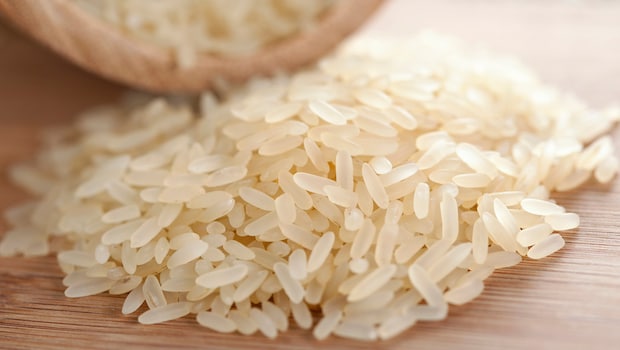
West Bengal is known for its diverse and flavourful rice varieties, such as:
- Gobindobhog – Short-grain, aromatic rice used in traditional dishes
- Tulaipanji – Fragrant and soft, often compared to basmati
- Swarna and IR varieties – Commonly grown for large-scale consumption
Each variety differs in aroma, texture and cooking style.
Also Read: Which Indian State Is Known As The Fruit Bowl Of India?
Rice In Bengali Food Culture
In West Bengal, a meal without rice is almost unthinkable. It is central to both everyday eating and festive cuisine. Some classic pairings include:
- Rice with fish curry (maach-bhaat)
- Khichuri during festivals and monsoons
- Sweet dishes like payesh (rice pudding)
Rice here is not just filling - it defines the structure of the meal.
While states like Punjab, Uttar Pradesh and Chhattisgarh also produce significant quantities of rice, West Bengal consistently ranks among the top contributors. Its scale, diversity and cultural connection to rice give it a distinct identity!
from NDTV News- Special https://ift.tt/E8DxTmB
via IFTTT
Saturday, March 28, 2026
2 India-Bound LPG Tankers Cross Strait Of Hormuz
Two liquefied petroleum gas tankers, BW Elm and BW Tyr, are crossing the Strait of Hormuz bound for India, according to ship tracking data from LSEG and Kpler.
The US-Israeli war against Iran has all but halted shipping through the strait, but Iran said this week that "non-hostile vessels" may transit the waterway if they coordinate with Iranian authorities.
The two India-flagged vessels have crossed the Gulf area and are in the eastern Strait of Hormuz, the data showed.
India is gradually moving its stranded LPG cargoes out from the strait, with four LPG tankers moved so far - Shivalik, Nanda Devi, Pine Gas, and Jag Vasant.
As of Friday, 20 Indian-flagged ships including five LPG carriers were stranded in the Gulf, Rajesh Kumar Sinha, special secretary in the federal shipping ministry, said.
LPG carriers Jag Vikram, Green Asha and Green Sanvi are still in the western Strait of Hormuz, LSEG data show.
India, the world's second-largest LPG importer, is battling its worst gas crisis in decades, with the government cutting supplies for industries to shield households from any shortage of cooking gas.
The country consumed 33.15 million metric tons of LPG, or cooking gas, last year, with imports accounting for about 60% of demand. About 90% of those imports came from the Middle East.
India is also loading LPG onto its empty vessels stranded in the Gulf.
(Except for the headline, this story has not been edited by NDTV staff and is published from a syndicated feed.)
from NDTV News- Special https://ift.tt/uPhgE6o
via IFTTT
Friday, March 27, 2026
Mukesh Ambani’s mega IPO Reliance Jio is said to set bank fees in line with NSE
Reliance Industries Ltd. has set investment banking advisory fees for the planned initial public offering of its telecom unit at about 0.65% of the issue size, according to people familiar with the matter, largely in line with those to be paid by National Stock Exchange of India Ltd.Based on a potential offering size of up to $4 billion for Jio Platforms Ltd., the total fee pool may be as high as $26 million, with the bulk likely to be shared among lead banks such as Kotak Mahindra Capital Co. and Morgan Stanley, the people said, asking not to be identified because the information is private.The fee distribution may ultimately depend on the client coverage from the banks and the company’s own discretion, two of the people said.A representative for Reliance didn’t immediately respond to requests for comment.Jio’s IPO could be India’s largest-ever listing and the first by a major unit of billionaire Mukesh Ambani’s flagship company, Reliance, in almost two decades.Jio’s banking fees are poised to be broadly in line with those set by NSE, which is considering an IPO that may raise about $2.5 billion, people familiar with the matter have said.The proposed fee structure by both Jio and NSE is notably lower than broader market averages. Indian companies paid investment banks an average of about 1.86% across 417 IPOs last year and 1.67% across 350 issuances in 2024, according to data compiled by LSEG.Reliance is aiming to file draft paperwork for Jio as early as the end of this month, people familiar with the matter have said. Other banks selected for advisory roles on the listing include HSBC Holdings Plc, JPMorgan Chase & Co., Goldman Sachs Group Inc., JM Financial Ltd., Axis Bank Ltd. and SBI Capital Markets Ltd.
from Economic Times https://ift.tt/NzOd0eC
via IFTTT
from Economic Times https://ift.tt/NzOd0eC
via IFTTT
'Harassed By Wife, In-Laws': Pune Man, 20, Poisons Himself, Records Video
Driven to the edge by alleged harassment and mental torture by his wife and in-laws, a 20-year-old man has died by suicide after consuming rat poison in Pune. Before taking the step, the man recorded a video detailing the ordeal he was subjected to and sent it to a friend.
Police have filed a case of abetment to suicide against seven people, including the wife.
Mohammed Saad Asif Sayyad (20), who was originally from Malegaon in Nashik district, lived in the Jambhulwadi area of Pune. Officials said Saad had a dispute with his wife, Karimunnisha aka Nisha Khan, and she and his in-laws had subjected him to constant harassment.
On Thursday, Saad recorded a video on his phone in which he detailed the harassment and named seven people, including Nisha. He sent the video to a friend in Malegaon and then consumed rat poison.
"A case of abetment to suicide was registered on Friday. The accused who have been named in the FIR are Nisha, Sarwar alias Kaif Khan, Reshma Kamrukhan, Shama Javed Sheikh, Javed Sheikh, Atharva Kale, and Ishita. Sayyad's mobile phone has been seized to facilitate a forensic examination of the video," an official said.
(With inputs from Yashpal Sonkamble)
from NDTV News- Special https://ift.tt/z3ogTcX
via IFTTT
Thursday, March 26, 2026
Wednesday, March 25, 2026
Iran Claims It Fired Cruise Missiles At US Aircraft Carrier Abraham Lincoln
Iran said on Wednesday it fired a volley of cruise missiles at a US aircraft carrier, as strikes rained down across the Middle East despite back-channel diplomatic efforts to end the nearly four-week war.
A conflict that began on February 28 with a US-Israeli bombing campaign on Iran has rapidly engulfed the entire region, sending oil prices skyrocketing and threatening to derail the global economy.
Diplomats said they were working behind the scenes to ferry messages between the warring parties, despite contradictory public statements about whether talks were actually taking place.
But there was no let-up in the military activity, with targets in Iran, Israel, Lebanon, Bahrain, Kuwait, Jordan and Saudi Arabia all coming under fire.
Iran's military said its cruise missiles at the USS Abraham Lincoln carrier group had "forced it to change its position", warning of "powerful strikes" when the "hostile fleet" comes into range.
On the other side, Israel said it had struck targets in Tehran as well as a submarine development facility in the central city of Isfahan.
From the Iranian capital, 40-year-old Shayan told AFP: "There is gasoline, water and electricity. But there is a sense of helplessness in all of us. We don't know what to do, and there's really nothing we can do."
'Our Heart Is Here'
On another front, Israeli warplanes pounded the southern suburbs of Beirut, a stronghold of Iran-backed militant group Hezbollah.
An AFP correspondent saw a street covered in debris, including shattered cement and warped metal after the early morning strike, while an apartment building's upper floors appeared damaged.
Lebanon was pulled into the war when Hezbollah began firing rockets into Israel on March 2 to avenge the killing of Iran's supreme leader, Ayatollah Ali Khamenei.
According to Lebanese authorities, more than 1,000 people have been killed in over three weeks of Israeli strikes and upwards of one million people have been displaced.
In the southern Lebanese city of Tyre, almost cut off from the rest of the country by bombs, Khalil, a man in his 30s, voiced his defiance.
"They'll have to take us by force," he told AFP.
Despite Israeli ground operations and the spectre of a full-blown invasion, "we don't want to leave our land... our heart is here", said Khalil, sheltering with his young family in a theatre.
'Failed And Disgraced Liar'
Diplomatically, the two sides offered conflicting accounts even though mediators in the region said work was ongoing behind the scenes.
US President Donald Trump signalled talks were underway, with a 15-point peace plan reportedly sent to Tehran, but Iran's ambassador to Pakistan slapped this down, saying no negotiations had taken place.
Reza Amiri Moghadam said that "contrary to Trump's claims -- so far no negotiations, direct or indirect, have taken place between the two countries".
The Javan newspaper in Iran splashed a caricature of Trump with a Pinocchio-style nose, under the headline: "The world's most failed and disgraced liar."
One diplomatic source in the region, however, said mediators were shuffling messages between the two sides, who were both open to negotiation.
"There is hope, but it's too early to be optimistic," said this source, who requested anonymity to discuss sensitive issues.
Both sides need to be able to climb down without losing face, the source noted.
In public, Iran kept up its belligerent rhetoric, with the speaker of Iran's parliament, Mohammad Bagher Ghalibaf, warning the US: "Do not test our resolve to defend our land."
'Unbelievable Price'
Stocks rose, and oil prices tumbled after Trump's conciliatory tone, but focus remained on the Strait of Hormuz, through which one-fifth of the world's oil passes.
Trump told reporters in the Oval Office that Iran had given him "a very big present worth a tremendous amount of money", which he said demonstrated that "we're dealing with the right people".
The US president did not elaborate further but said it was related to the Strait of Hormuz, which Iran has largely blockaded in retaliation for US and Israeli strikes.
Tehran, in a message circulated by the International Maritime Organisation (IMO), assured safe passage through the strait to "non-hostile vessels".
However, the IMO cited a statement from Iran's foreign ministry as saying no passage would be granted to vessels belonging to "the aggressor parties -- namely the United States and the Israeli regime".
On a visit to Tokyo, the head of the International Energy Agency said he was ready to approve the release of more oil reserves if needed to cushion the war's impact on global supplies.
But the effects are already visible around the world, with Sri Lanka ordering an extra day off to conserve energy and the price of diesel doubling in Vietnam.
Hanoi resident Nguyen Van Chi said on Wednesday he had not driven his truck in the past two weeks, instead opting to cycle.
"With this unbelievable price of diesel, I cannot even sell my truck as no one is going to use it," the 54-year-old businessman told AFP.
(Except for the headline, this story has not been edited by NDTV staff and is published from a syndicated feed.)
from NDTV News- Special https://ift.tt/RZ9hzwk
via IFTTT
Tuesday, March 24, 2026
Trump Shares Pakistan PM's Iran War Mediation Post, Fuels Speculation
US President Donald Trump has triggered intense diplomatic speculation regarding a potential mediating role for Islamabad in the ongoing Washington-Tehran standoff, after he shared an official statement from Pakistan Prime Minister Shehbaz Sharif.
The move follows a post on X by Prime Minister Sharif, in which he expressed Islamabad's eagerness to facilitate a diplomatic resolution to the regional crisis. Sharif stated that Pakistan was "ready and honoured" to moderate "meaningful and conclusive talks" between the United States and Iran, provided there is a mutual agreement from both parties.
Expanding on Islamabad's position, the Prime Minister noted, "Pakistan welcomes and fully supports ongoing efforts to pursue dialogue to end the war in the Middle East, in the interest of peace and stability in the region and beyond." He further clarified that, "Subject to concurrence by the US and Iran, Pakistan stands ready and honoured to be the host to facilitate meaningful and conclusive talks for a comprehensive settlement of the ongoing conflict."
President Trump's decision to share the post on his Truth Social account without further comment has been viewed by observers as a sign of active backchannel diplomacy. This development aligns with international reports suggesting that Pakistan, alongside Egypt and Turkiye, is quietly working to broker a peace deal in the Middle East.
While Islamabad is reportedly being positioned as a potential neutral venue, the White House has maintained a stance of strategic caution. US Press Secretary Karoline Leavitt described the current environment as "sensitive" and "fluid," advising against treating unconfirmed reports as definitive.
"These are sensitive diplomatic discussions, and the US will not negotiate through the press. This is a fluid situation, and speculation about meetings should not be deemed as final until they are formally announced by the White House," Leavitt cautioned. This statement comes amidst unverified claims that Vice President JD Vance and envoy Steve Witkoff could potentially meet Iranian officials on Pakistani soil.
Despite the lack of formal confirmation, indirect communication appears to be intensifying, with Islamabad reportedly serving as a critical conduit for messages. According to reports from CNN, the United States has utilised Pakistani channels to transmit a 15-point list of requirements to Tehran. The network further indicated that high-ranking Pakistani intelligence officials have maintained active communication with US figures, including Jared Kushner and special envoy Steve Witkoff, to facilitate these diplomatic exchanges.
The sudden diplomatic momentum follows President Trump's recent declaration of a five-day pause on planned strikes against Iranian energy infrastructure. Trump attributed the pause to "very good and productive conversations" with Tehran, claiming the US is in contact with a "top person" in Iran. Conversely, Tehran continues to maintain that it has not entered into direct negotiations with Washington since the commencement of the hostilities.
(Except for the headline, this story has not been edited by NDTV staff and is published from a syndicated feed.)
from NDTV News- Special https://ift.tt/6jXcgJx
via IFTTT
At Uddhav Thackeray's Farewell, Praise From D Fadnavis And An E Shinde Dig
A decade-long political arc concluded today with polite speeches, veiled barbs, and a closed-door meeting whose contents neither side would confirm. Shiv Sena (UBT) chief Uddhav Thackeray has gone from a scion to chief minister to Opposition now. His tenure in the Maharashtra Legislative Council ended today along with eight other members, quietly closing a chapter that had placed the Shiv Sena founder's son in the state's top office. But that office was wrested away by a rebellion from within.
Today's farewell session produced what is being seen as an unlikely exchange of compliments.
Chief Minister Devendra Fadnavis called Thackeray "one of the most popular photographers from the state," recounting how Thackeray had opened a helicopter door mid-flight to frame the image while shooting the Wari pilgrimage.
"While clicking the pictures of Wari, Uddhav Thackeray went on a helicopter, opened the door and took the picture," Fadnavis said.
He added that Thackeray's photographs showed "sensitivity", a comment that could also be alluded to in a political context. Thackeray's fundamental nature, his "mool swabhav", was not that of a politician, Fadnavis said, in what was seen as drawing a parallel with Shiv Sena founder Bal Thackeray's own single-minded decisiveness: once a decision was taken, it was carried through.

Thackeray did not dispute the characterisation made by Fadnavis.
"The chief minister is right when he says I'm not a politician because at heart I'm an artist," he said, acknowledging Fadnavis with folded hands for making time for the occasion.
Deputy Chief Minister Eknath Shinde was seated alongside Fadnavis. Once Thackeray's close aide, Shinde's defection in 2022 had collapsed the Maha Vikas Aghadi (MVA) government and stripped Thackeray of both chief ministership and the legacy Shiv Sena.
"Uddhav Thackeray saheb will be leaving today. I pray he gets a healthy and long life, and wish him all the best for the future," Shinde said.
Thackeray did not name him in response. Looking across the aisle at the bench where Shinde sat, he said, "I'm glad that you know me so well, but I'd like to say aise konsi baat thi, ki aur ka haath pakadna pada (what was it that made it necessary to hold someone else's hand for support)?"

Many saw it as referencing the 2022 Maharashtra political crisis when the Thackeray government fell after Shinde teamed up with the BJP.
After the formal proceedings, the Shiv Sena (UBT) chief, his son Aditya Thackeray and party MLAs walked over to meet Fadnavis at the chief minister's office. What followed was a closed-door discussion of approximately 10 minutes.
Thackeray raised the issue of MLAs not receiving funds for development work, sources said. The accompanying MLAs in Thackeray's presence also informed Fadnavis of their grievances directly, detailing the hurdles they said were obstructing development projects in their constituencies, sources said. Neither side offered a formal statement on what else was discussed.
from NDTV News- Special https://ift.tt/7j36ho0
via IFTTT
Monday, March 23, 2026
Colombian Military Transport Plane With 80 Troops Crashes After Takeoff
Colombia's military said today some 80 troops were believed to be dead after a transport plane crash in the south of the country. There were at least two platoons on the plane, news agency AFP reported quoting a military source. The plane was a C-130 Hercules tactical transport aircraft.
It crashed on takeoff from Puerto Leguizamo, near the southern border with Ecuador. Colombia's defence minister said many are feared dead.
State broadcaster RCN ran images of a badly damaged fuselage aflame in a forest clearing. This aircraft can typically carry about 100 troops.
"Military units are already at the scene. However, the number of victims and the causes of the crash have not yet been confirmed," the defence minister posted on social media.
"It is a deeply painful event for the country. May our prayers bring some measure of comfort."
With inputs from agencies
from NDTV News- Special https://ift.tt/8zOWDlq
via IFTTT
Sunday, March 22, 2026
ED flags Indians buying Dubai homes via cards
Mumbai: When it rains in Dubai, it pours in Mumbai. As the desert metropolis deals with a nervous property market, Indians who used credit cards to buy homes in Dubai are beginning to receive notices from the Enforcement Directorate (ED).These property buyers had either swiped international credit cards (ICCs) on visits to the Emirates to pay the initial deposit or had clicked on payment links sent by UAE developers-probably, oblivious that they were trampling on Indian laws.At least three persons were served notices by the central agency in February, questioning their source of funds for the deals, sources told ET.129737458 Credit card transactions are like short-term loans and foreign exchange regulations prohibit individuals from borrowing to buy foreign properties. The Reserve Bank of India (RBI's) liberalised remittance scheme (LTS) used by resident individuals to buy stocks and apartments abroad requires transfer of tax paid funds through official banking channels.Those stunned by the notices and seeking a condonation from ED, as well those who are yet to come under the glare are in a Catch22 situation. They have to bear the hassle and cost of correcting the transaction, paying fine, and in some cases absorbing the loss of selling the property in a weak market with Dubai's reputation as a safe haven under a cloud."The recent round of ED notices have gone to individuals who may have unknowingly used credit cards to buy UAE properties. They should approach RBI to regularise the mode of payment. RBI may take a lenient view as the money is legitimate even if the mode of payment is wrong. Many a time resident Indians do cross-border purchases without knowing the law or consulting CAs," said Rajesh Shah, partner at the CA firm Jayantilal Thakkar & Co which specialises in forex and anti-money laundering regulations. Prior to applying for compounding -- the task of admitting to violation and settling the contravention by paying a penalty -- the administrative process must be completed. This could in some cases mean reversing the original payment."The regularisation process could involve remitting fresh funds through banks and instructing the builder to send back the amount that was paid with credit card. In certain circumstances, RBI may ask buyers to sell the property and bring back funds," said Shah.This, however, involves arranging funds (without borrowing) and remitting dollars when rupee is at a new low. If this is unattainable, the buyer may be compelled to sell the property to unwind the transaction. But, bankers feel the regulator may not insist on a reversal as funds were not moved through the hawala network. "Using international credit cards (ICCs) for such purchases falls outside the permitted structure since acquisition of overseas property is treated as a 'capital account' transaction. Where such payments have already been made, individuals may need to examine regularisation options, including the RBI's compounding mechanism," said Moin Ladha, partner at Khaitan & Co.ICCs, like local cards, are meant for current account transactions like buying books, downloading movies, and booking hotels.According to Pankaj Bhuta, founder of the CA firm P. R. Bhuta & Co, even where the ED has initiated investigation against a resident individual, the latter may opt for compounding before the RBI at any time till the conclusion of adjudication proceedings. "Such compounding is typically subject to a no-objection from the ED, which in recent cases has been granted where it is satisfied that permitting compounding is aligned with the true spirit and intent of the Foreign Exchange Management Act (FEMA). In such cases, the RBI is empowered to cap the compounding amount at ₹2 lakhs," said Bhuta. Under LRS a resident individual can transfer up to $250,000 a year to buy assets abroad as well as shop online from India. Some who used ICCs to buy properties perhaps did it to preserve their annual LRS limit.
from Economic Times https://ift.tt/Ie6BkjM
via IFTTT
from Economic Times https://ift.tt/Ie6BkjM
via IFTTT
Dhurandhar 2 Screening Turns Chaotic In Hyderabad Over Hindi-Telugu Mix-Up
A screening of Dhurandhar: The Revenge, directed by Aditya Dhar and starring Ranveer Singh, descended into chaos at a Hyderabad theatre after a mix-up involving the Hindi and Telugu versions of the film.
The incident reportedly took place at a PVR multiplex located in Next Galleria Mall in Punjagutta, where tickets for both the Hindi and Telugu versions were allegedly sold for the same screen. A video shared by an Instagram user captured the tense situation, showing audience members arguing loudly as the screening was paused midway during an on-screen promo.
According to the user, tickets had been booked via BookMyShow, which had listed shows for both language versions. As confusion unfolded inside the hall, viewers could be seen demanding clarity over which version should be played.
In the video, a woman is heard insisting that the Telugu version had been booked first, while others continued to protest.
The situation escalated quickly, with several audience members threatening to occupy the stairs and watch the film there if an alternative arrangement was not made. Theatre staff and police personnel were eventually called in to manage the unrest and calm the agitated crowd.
In a follow-up clip, the same user claimed that despite the confusion, the Hindi version of the film was ultimately screened, even though some viewers had reportedly purchased tickets for the Telugu version.
Massive Global Performance
Dhurandhar: The Revenge has already crossed the Rs 500 crore mark worldwide.
The overseas gross is estimated at Rs 96.50 crore, pushing the total global collection to approximately Rs 501.04 crore.
The film is expected to soon surpass titles like Stree 2, Chhaava, Jawan, and even its predecessor, Dhurandhar, positioning itself as one of the biggest Hindi films globally.
Written, directed, and produced by Aditya Dhar, the film stars Ranveer Singh as Indian spy Hamza Ali Mazari, who infiltrates Pakistan's criminal-terror networks. The film also features R. Madhavan, Sanjay Dutt, Arjun Rampal, Rakesh Bedi, Danish Pandor, and Sara Arjun.
ALSO READ: Ranveer Singh's Intense Underwater Prep For Dhurandhar 2 Impresses Internet: "Nobody Like You"
from NDTV News- Special https://ift.tt/crL6ujV
via IFTTT
Saturday, March 21, 2026
Pilot Shares Emotional In-Flight Moment As Wife And Children Join Him On Board
In a heartwarming moment that has gained attention online, an Indian pilot has shared a personal milestone from his flying career that moved many viewers. The incident was shared through a video posted on social media by Captain Azam Ally, who expressed his emotions during a special in-flight announcement.
Captain Azam Ally shared a video on Instagram in which he made an emotional announcement during a flight, revealing that his wife and children were also on board the very same aircraft. In the video, he is seen addressing the passengers in a calm yet deeply emotional manner. He begins by introducing himself to all the passengers.
In his announcement, he says, "Good morning, ladies and gentlemen. This is your captain from the flight deck. My name is Captain Azam Ally." He then goes on to explain that there are three extremely significant moments in a pilot's life.
He further states that there are "three flights a pilot never forgets." He explains that the first is the solo flight, an experience he recalls from nearly 24 years ago during his time as a fighter pilot in the Indian Air Force. He also notes that the second significant moment is the final flight before retirement-a milestone that, for him, is still about two decades away.
He then reveals that the third moment is the most special of all. He says, "The third and perhaps the most important flight is when you get an opportunity to fly with your family. Today is that day for me. My wife and kids are travelling on this flight." Following these words, the passengers on board the aircraft respond with applause and smiles.
Watch Video Here:
He also shared the video with a caption in which he outlined the three major milestones in a pilot's life.
He wrote, "Three flights that a pilot never forgets
No. 1 - First solo.
No. 2 - Last flight before retiring.
No. 3. - And the one when your loved ones are on board your flight for the first time."
Social Media Reaction
Social media users loved the way pilot introduced his family. One user commented, "Great !!! You all must be feeling very special."
Another user noted, "This is so heartwarming!"
from NDTV News- Special https://ift.tt/IsGR153
via IFTTT
Abhishek Slams 42-Ball 94, Kishan Smashes 72 Off 25 In SRH Training - Watch
Abhishek Sharma may not have had the best of T20 World Cups but he has sent a massive warning to opposition teams ahead of the Indian Premier League (IPL) 2026 season. Playing in Sunrisers Hyderabad (SRH)'s pre-season practice match on Saturday, Abhishek hammered 94 runs off just 42 balls, top-scoring for SRH 'A', who posted 253/9 after batting 21 overs. South Africa star batter Heinrich Klaasen (49 off 31) and uncapped 23-year-old Indian powerhitter Salil Arora (47 off 16) also shone in the first innings.
Carnage ensued when Abhishek came out to bat. His 42-ball 94 follows up a swashbuckling 21-ball 52 in the T20 World Cup 2026 final, indicating that Abhishek could be about to enter his groove again.
Interestingly, Abhishek - the world's No. 1-ranked T20I batter - also came out to bat for SRH 'B' in the second innings, but managed to make only 12 runs off four balls. 24-year-old pacer Praful Hinge took his wicket.
Salil Arora, who was bought by SRH for Rs 1.50 crore, in the IPL 2026 mini auction, also showed his class with a terrific 16-ball 47 for SRH 'A'.
WATCH:
The knock could help the uncapped wicket-keeper batter to play himself into contention for a spot in the playing XI by the time SRH's first match comes round against Royal Challengers Bengaluru (RCB) on March 28.
With the ball, it was veteran pacer Jaydev Unadkat who left his mark. The 34-year-old scalped five wickets in the first innings, but also conceded 48 runs.
In the SRH 'B' innings, it was the franchise's stand-in captain Ishan Kishan's turn to fire big. He hammered 72 off just 25 balls. With Pat Cummins set to miss the first few games of the season at the very least, Kishan will shoulder the responsibility of captaining SRH in just his second season with the franchise.
from NDTV News- Special https://ift.tt/RPOyNtX
via IFTTT
Friday, March 20, 2026
Australia PM Asked To "Get Out", Heckled At Mosque For Supporting Israel
Protesters heckled and booed Prime Minister Anthony Albanese on Friday during a visit to Australia's largest mosque for Eid al-Fitr prayers, voicing anger over his stance on ally Israel's offensive in Gaza.
Some in Australia's Muslim and Jewish communities are angry over a fine line walked by the centre-left government since the Gaza war began, expressing concern for Palestinians, repeatedly urging a ceasefire, and backing Israel's right to self-defence.
Video images showed protesters interrupting proceedings about 15 minutes after Albanese and Home Affairs Minister Tony Burke joined worshippers at Lakemba Mosque in western Sydney to mark the end of the Muslim fasting month of Ramadan.
Demonstrators booed, told Albanese and Burke to "Get out!" and called them "genocide supporters", referring to Israel's killing of Palestinians in Gaza, following an attack by Hamas militants in 2023.
"Dear brothers and sisters, keep calm a little bit," one of the organisers told the crowd, urging people to sit down and stop filming the incident. "It is Eid. It is a joyful day."
Security guards were seen tackling one heckler to the ground before escorting him away.
Albanese and Burke left shortly afterwards, followed by heckling protesters who yelled, "Shame on you!"
Protesters also turned out in large numbers when Israeli President Isaac Herzog visited last month at Albanese's invitation after the deadly Bondi mass shooting on December 14 that targeted the Jewish community.
Thousands attended a rally in Sydney, where 27 people were arrested after clashes with police.
(Except for the headline, this story has not been edited by NDTV staff and is published from a syndicated feed.)
from NDTV News- Special https://ift.tt/9aoRGFi
via IFTTT
Thursday, March 19, 2026
All in One Monster: Galaxy M17e 5G Packs Serious Power for Everyday Users
If you have been waiting for a smartphone that delivers strong everyday performance, Samsung may have something interesting for you. The new Galaxy M17e 5G is built for users who want smooth scrolling, long battery life and reliable durability in one package.
Samsung Galaxy M17e 5G is an all-in-one monster and focuses on features that actually affect your daily experience. Here is what you should know.

Smooth Scrolling Takes Centre Stage
The first thing Samsung wants you to notice is the display experience. The Galaxy M17e 5G comes with a 6.7-inch HD+ display that supports a 120Hz refresh rate. That means when you scroll through Instagram, switch between apps or play games, everything feels noticeably more fluid.
It truly is segment's smoothest smartphone, and the 120Hz refresh rate plays a big role. If you spend hours watching reels, browsing or gaming, you will notice the difference. The phone feels smooth and quick in everyday use. If your current phone still runs at 60Hz, you will love the Galaxy M17e 5G.

Battery That Is Built to Last Your Day
Battery anxiety is real, especially if you are always on the move. With Samsung Galaxy M17e 5G, you get a massive 6000mAh battery. On paper, that is one of the biggest capacities you will find in this segment. Samsung's One UI 8 helps the phone manage power more efficiently in daily use.
Samsung claims the segment's longest 26-hour video playback, which tells you exactly what the phone is designed for. Long streaming sessions, endless scrolling and all-day usage without constantly looking for the charger.
You can step out in the morning, use your phone throughout the day and still expect solid battery left by night. When you do need to top up, the phone supports 25W charging, which should help you get back up and running in no time.

Built to Handle Everyday Accidents
Performance is important, but durability matters just as much in real life. The Galaxy M17e 5G brings IP54-rated protection for splash and dust resistance.
The smartphone is better prepared for mishaps like accidental splashes and dusty conditions. For users whose phones often go through daily rough handling, this added protection can make a real difference over time.
Samsung Galaxy M17e 5G is not just a dependable device but also powerful. It truly is the all-in-one monster.
Cameras That Cover Your Everyday Needs
The Galaxy M17e 5G comes with a 50MP main rear camera supported by a 2MP depth camera. On the front, you get an 8MP camera that handles selfies and video calls.
In good lighting, the 50MP sensor captures sharp, clean photos that are ready to share. Whether you are snapping your food, taking quick portraits, or saving everyday moments with friends, the camera holds up well for regular use.
If you spend a lot of time posting on social media, what matters most is consistency. Samsung keeps the focus on a solid primary camera instead of adding extra zero value lenses to the setup.
Performance That Keeps Things Moving
Under the hood, the Galaxy M17e 5G runs on the MediaTek Dimensity 6300 processor. The powerful phone can easily handle routine multitasking, social media usage and casual gaming without major slowdowns.
Apps open quickly, and switching between tasks feels smooth, especially when combined with the 120Hz display. For the target audience, this level of performance is usually more than enough for day-to-day use.
The phone also supports the highest number of 5G bands in its segment. That means better network compatibility.
Long-Term Software Support Gives It an Edge
One area where Samsung is pushing hard is software longevity. The Galaxy M17e 5G comes with support for 6 Android upgrades and 6 years of security updates.
This is also the segment's highest OS and security upgrades, and it is a meaningful promise. Many phones in this price range struggle to offer long-term updates, which often forces users to upgrade sooner than they want.
If you plan to keep your phone for several years, this level of support adds serious long-term value. It also helps the device stay secure and up to date with new Android features.
Everyday Convenience Features Are in Place
Samsung has also included practical touches that improve daily usage. The Galaxy M17e 5G comes with a side-mounted fingerprint scanner for quick unlocking. This placement is familiar and easy to use with one hand.
Samsung also highlights its largest service network in smartphones, which can be reassuring if after-sales support matters to you. Easy access to service centres often becomes important only after you buy a device.
All-in-One Monster
When you look at the full package, Samsung's strategy becomes clear. The Galaxy M17e 5G is not trying to win on just one flashy feature. Instead, it focuses on the combination that most users actually care about.
You get a smooth 120Hz display, a very large 6000mAh battery, practical IP54 durability, great cameras and long-term software support. Put together all the features, and the smartphone is an all-in-one monster.
Samsung Galaxy M17e 5G is all set to go on sale from 12pm onwards on March 20, 2026. The smartphone will be available at a starting price of Rs. 11,999. If you want to stay updated on offers and availability, you can head to Amazon and register to get notified or know more.
from NDTV News- Special https://ift.tt/wc63f94
via IFTTT
Wednesday, March 18, 2026
China, Pak Developing Nuclear Missiles That Put US Within Range: Intel Chief
US Intelligence Chief Tulsi Gabbard, presenting the intelligence community's 2026 Annual Threat Assessment, said that Russia, China, North Korea, Iran and Pakistan are the most significant nuclear threats to the United States.
While testifying before the Senate Intelligence Committee on Wednesday, Gabbard said, "The intelligence community assesses that Russia, China, North Korea, Iran, and Pakistan have been researching and developing an array of novel, advanced, or traditional missile delivery systems, with nuclear and conventional payloads, that put our homeland within range."
Gabbard said that China and Russia are developing advanced delivery systems that are capable of penetrating or bypassing US missile defences.
"North Korea's ICBMs can already reach US soil, and it is committed to expanding its nuclear arsenal," she added.
The intel chief highlighted that North Korea is deepening its ties with Russia and China, a shifting alignment she suggested carries serious implications for global security.
Speaking about Pakistan, she told lawmakers that the Islamic republic's long-range ballistic missile development potentially could include ICBMs with the range capable of striking the United States.
Gabbard identified Al-Qaeda and ISIS as significant and enduring threats to US interests abroad, with both groups maintaining a dangerous presence across parts of Africa, the Middle East, and South Asia.
She claimed that the expected number of missiles capable of striking the United States has increased sharply from 3,000 in 2025 to 16,000 in 2035.
Gabbard Contradicts Trump
On the situation in Iran, Gabbard contradicted US President Donald Trump and said that Iran made no effort to rebuild uranium enrichment after its capabilities were destroyed in a June 2025 US-Israeli attack.
"As a result of Operation Midnight Hammer, Iran's nuclear enrichment programme was obliterated. There has been no efforts since then to try to rebuild their enrichment capability," Gabbard said in prepared testimony to the Senate.
Ahead of the hearing, White House press secretary Karoline Leavitt told Fox News that Trump had full confidence in Gabbard.
Gabbard's testimony comes after former top aide Joseph Kent resigned as the director of the National Counterterrorism Center over the Iran war.
from NDTV News- Special https://ift.tt/Vfc4GjP
via IFTTT
Tuesday, March 17, 2026
Induction Cooking vs Infrared: What Is Similar, What Is Different
If you have been thinking about adding an electric cooktop to your kitchen, you have probably already run into the induction versus infrared question. Both sit behind a flat glass surface, both run on electricity, and both look almost identical on a kitchen counter. But they work in completely different ways, and for Indian cooking specifically (everything from a high-heat tadka to a slow-cooked dal, a deep-fry in a kadhai to a Phulka on a tawa), the differences matter a lot more than they would for a kitchen that mostly does pasta and scrambled eggs. Here is a proper breakdown of what each cooktop actually does, how it handles the demands of Indian cooking, and which one makes more sense for your home.
How They Work: The Fundamental Difference
This is the part most people skip, but it explains everything else.
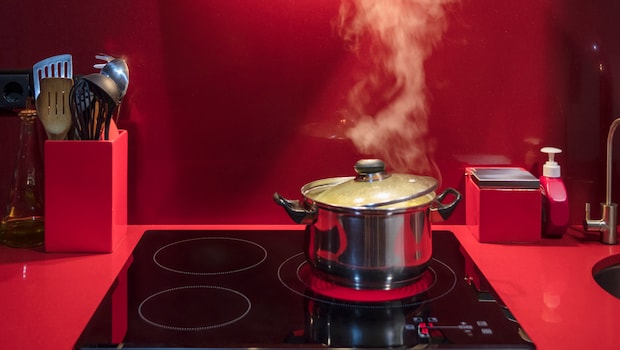
An induction cooktop does not generate heat in the cooktop surface itself. Instead, it uses electromagnetic energy to generate heat directly inside the base of the cookware. There is a copper coil beneath the glass surface that creates a magnetic field, and when a pot or pan with a magnetic (ferrous) base is placed on it, that magnetic field induces an electrical current in the metal, which produces heat. The cooktop surface itself stays largely cool. It only warms up from the residual heat transferred back from the hot pan. This is why induction is so energy-efficient: almost none of the energy is wasted heating air or the surrounding surface.
An infrared cooktop, on the other hand, works by heating the glass surface itself using a halogen lamp or a heating element underneath it, which then radiates heat upward into whatever vessel you place on top. It is closer in principle to a traditional electric coil stove, except that the heat is delivered more evenly and more efficiently. The surface gets hot, the vessel placed on it gets hot, and the food cooks. Simple and familiar.
The practical implication of this difference is enormous: induction only works with magnetic cookware, while infrared works with virtually any cookware that has a flat bottom.
The Cookware Question: The Biggest Practical Difference For Indian Kitchens

Photo Credit: Pexels
This is where most people make their buying decision, and it is the right place to focus.
For induction, the rule is firm: the vessel must have a magnetic base. The easiest test is a simple fridge magnet. Hold it to the bottom of your pan. If it sticks firmly, the vessel will work on induction. If it does not stick, it will not work at all. Induction-compatible materials include cast iron, carbon steel, enamelled iron, and stainless steel with a magnetic base. Most stainless steel pressure cookers and many newer stainless steel tawas and kadahis are induction-compatible.
What does not work on induction: plain aluminium, copper, glass, ceramic, and non-magnetic stainless steel. And here is the problem. The Indian kitchen is full of aluminium. The classic thin aluminium pressure cooker, the aluminium vessels that have been in the family for decades, the lightweight aluminium kadhai. None of these will work on an induction stove unless they have been specifically fitted with an induction-compatible base. For many households, switching to induction means buying a significant amount of new cookware, which adds to the upfront cost.
Infrared is considerably more forgiving. Because it heats the surface and the vessel receives that heat by contact, it can work with aluminium, glass, ceramic, and most flat-bottomed vessels. There is no magnetic requirement. If you have a wide range of existing cookware that you would like to continue using, infrared does not force your hand.
There is, however, one shared limitation that catches many Indian cooks off guard: both induction and infrared work best with flat-bottomed vessels. The traditional kadhai with its rounded base is genuinely problematic on both. On induction, a rounded-base kadhai will not be detected by the cooktop's sensor and the hob simply will not activate. On infrared, it will heat, but unevenly, because the curved base does not sit flush against the glass surface. For everyday deep-frying, the solution is the same on both platforms: use a heavy flat-bottom kadhai, or a wok-style vessel with a flat base.
Cooking Performance: Speed, Heat Control, And Indian Techniques
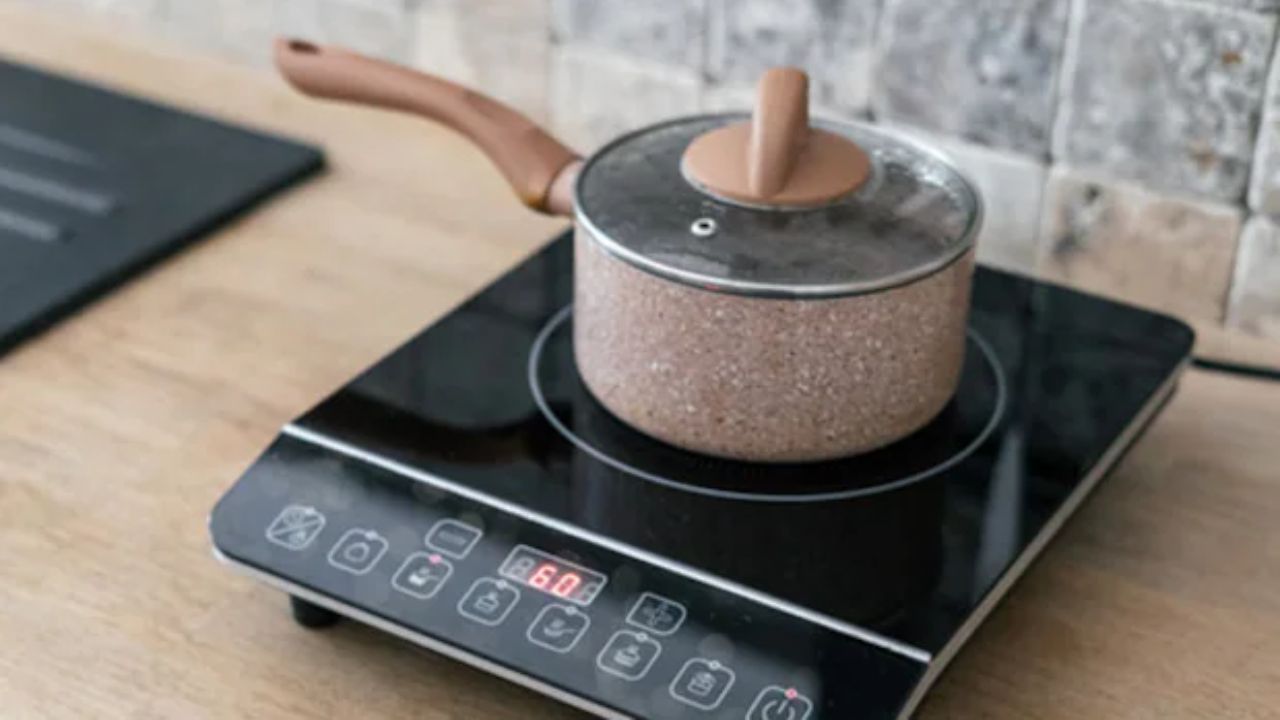
Speed and heat-up time: Induction heats up significantly faster than infrared because it generates heat directly in the cookware rather than heating through an intermediate surface. For tasks like bringing a pressure cooker up to full pressure, boiling water for rice, or getting oil to the right temperature for a tadka, induction is noticeably quicker.
Temperature control: Induction offers much finer temperature control. The electromagnetic field can be adjusted almost instantaneously, so dropping from a high sauté to a low simmer happens immediately and accurately. This is a real advantage for Indian cooking, where the difference between a perfectly done bhuna masala and a burnt one can be a matter of seconds. Infrared responds more slowly and retains heat in the surface for some time after the setting is reduced, which can make precise control harder.
Even heating: Infrared has a slight edge here. Because it heats the entire base of the vessel through radiant contact, the heat distribution tends to be more even across the bottom of the pan. Induction heats the centre of the base more intensely, which can occasionally create hot spots in certain types of cookware.
The tadka question: Both handle a quick tadka well enough, though induction's faster heat-up time and finer control give it an advantage when you need the oil to hit a specific temperature quickly, or need to drop the heat immediately after the mustard seeds splutter.
Phulkas and rotis: Neither platform replicates the direct flame of a gas stove, which is what allows a phulka to puff up fully. On both induction and infrared, rotis can be made on a tawa and will cook well, but the final puffing stage (where you would normally move the roti directly onto the flame) requires a workaround. A thick iron or steel tawa, pressed down gently on the roti, can help. Some cooks use a small wire mesh rack placed on the heating zone for the final puff. It takes some practice, but it is doable.
Baingan bharta and smoky dishes: This is the one technique that neither an electric cooktop can replicate. The smoky, charred flavour of a brinjal roasted over a gas flame is essentially impossible to achieve on induction or infrared. If baingan bharta is a weekly staple in your home, you will either need to finish on an oven grill, use an air fryer, or use the dhungar technique (placing a small piece of burning charcoal in the finished dish under a cover) to add smokiness.
Energy Efficiency, Safety, and Cost Considerations

Photo Credit: Pexels
Induction cooktops excel in energy efficiency, transferring up to 90% of generated energy directly into cookware, minimising ambient heat waste. In contrast, infrared cooktops, while more efficient than traditional electric coil stoves, still lose energy to the heated glass surface and surrounding area. Over time, these energy savings can significantly reduce electricity bills.
Safety is another area where induction shines, especially in households with young children or elderly members. The cooktop surface remains cool, reducing the risk of burns, unlike infrared surfaces that stay hot even after being turned off. Induction cooktops often include safety features such as child locks, auto shut-off, and overheat protection. Both induction and infrared are safer than gas stoves, which pose risks of gas leaks, carbon monoxide, and open flames.
Regarding cost, infrared cooktops are generally more affordable upfront, with entry-level models in India starting at ₹1,500 to ₹2,500, compared to induction models starting at ₹2,000 to ₹3,500. However, if switching to induction requires purchasing new cookware, the initial cost increases. Despite this, induction's long-term energy efficiency can offset the higher upfront expense, with potential monthly electricity savings accumulating over a year or two, making it a cost-effective choice for daily family cooking.
Which One Should You Buy?
Choose induction if you do most of your cooking in stainless steel or cast iron, you have or are willing to invest in induction-compatible cookware, you prioritise speed and precise temperature control, and safety is a priority in your household.
Choose infrared if you have a wide range of existing cookware that you would like to keep using (including aluminium), you are on a tighter budget, or you prefer a simpler, more familiar cooking experience that does not require checking whether your vessels are compatible.
There is no universally correct answer here, and that is actually reassuring. Both options are genuine improvements over older electric alternatives, and either will serve an Indian kitchen well once you understand the requirements. The honest truth is that most experienced Indian home cooks who have made the switch to induction end up preferring it after the initial adjustment period, largely because of the speed and the fine control. But infrared remains a practical, flexible choice, particularly for kitchens that run on a diverse mix of cookware accumulated over years of cooking. Know your own kitchen before you decide.
from NDTV News- Special https://ift.tt/AwD09Ld
via IFTTT
Monday, March 16, 2026
Man Jumps From 23rd Floor With 2-Year-Old Daughter In Arms At Noida High-Rise
A private school operator allegedly jumped from the 23rd floor of a residential building with his two-year-old daughter in his arms here on Monday, killing both, police said. Police said Rahul Vijayran (35), from Delhi's Nangloi area, lived in Tower 9 of the residential society, but he jumped from another tower, which makes the case suspicious.
According to Vijayran's family members, he had lost his sight in one eye after contracting coronavirus during the COVID-19 pandemic and was distressed due to this.
The incident took place at a housing society in Sector 102 around 7.30 am.
On Monday morning, while Neetu Dahiya was cooking at home, her husband Vijayran took their daughter Vamika to play in the society park. He later went to the 23rd floor of Tower 5 and allegedly jumped with his child, police said.
Upon hearing commotion, when Neetu went out, she found a man and a girl lying on the ground in a pool of blood. Residents took the two to a private hospital, where doctors declared them dead.
Vijayaran's brother, Amit, told police that his brother got married in 2014.
The couple also has an 11-year-old daughter who studies in Dehradun and lives in a hostel there.
Amit also told the police that his brother had been living in the society for the past two months, and he runs a school in Delhi's Kirari.
"My brother's eyes were damaged when he contracted coronavirus, causing him to lose vision in one eye and have limited vision in the other. He was deeply distressed because of this, pushing him to eventually take this step", he added.
Sub Inspector Jagmal Singh said that the family has refused to take any action.
"The cause behind the suicide is yet to be ascertained, and no suicide note was found. We are investigating why he jumped from another tower. Further probe is underway", the officer said.
(Except for the headline, this story has not been edited by NDTV staff and is published from a syndicated feed.)
| Helplines | |
|---|---|
| Vandrevala Foundation for Mental Health | 9999666555 or help@vandrevalafoundation.com |
| TISS iCall | 022-25521111 (Monday-Saturday: 8 am to 10 pm) |
| (If you need support or know someone who does, please reach out to your nearest mental health specialist.) | |
from NDTV News- Special https://ift.tt/Leitlb4
via IFTTT
Sunday, March 15, 2026
Yash Dayal Marries Content Creator Shweta Pundir In Private Ceremony - See Pics
Royal Challengers Bengaluru fast bowler Yash Dayal reportedly married content creator Shweta Pundir in a private ceremony in February 2026. According to HT City, the wedding took place on February 4 in Noida, Uttar Pradesh with only family members and a handful of relatives in attendance. Dayal has not made any official announcement regarding his wedding but Shweta shared a reel featuring both of them on her Instagram account. Dayal was part of the RCB team that won the Indian Premier League (IPL) title in 2025 and will take part in the competition once again this year.
Shweta is a social media influencer and vlogger from Delhi with more than 587,000 followers on the social media platform Instagram. She worked as a broadcaster for the International Legends League.
: Yash Dayal secretly married content creator Shweta Pundir on 4 February in the presence of only their family members. pic.twitter.com/cLG20s0kxn
—(@rushiii_12) March 15, 2026
Meanwhile, a new heavyweight has entered the race to buy the owners of the Royal Challengers Bangalore franchise. Swedish private equity firm EQT Group is preparing a binding bid that could value the franchise at around $2–2.1 billion, according to sources familiar with the process.
If submitted at that level, the offer would comfortably exceed the roughly $1.8 billion non-binding bid made by Avram Glazer through Lancer Capital.
The deadline for binding bids in the sale process is March 16.
The franchise is currently owned by United Spirits Limited, the Indian arm of global liquor giant Diageo. The company put its stake in Royal Challengers Sports Private Limited (RCSPL) up for sale in November 2025 as part of what it called a strategic review of its non-core investments.
RCSPL owns both the Royal Challengers Bangalore team in the Indian Premier League and the franchise's side in the Women's Premier League.
from NDTV News- Special https://ift.tt/f24rYLz
via IFTTT
Indian-German Couple Reveals Why They Chose To Move From Germany To India
An Indian-German couple recently opened up about their decision to leave Germany and move to India, stating that life in the European nation had become "too comfortable" and they were moving in circles. "Life started running on autopilot," the man, Deepesh Patel, wrote in an Instagram post, explaining that they craved a challenge and an opportunity to grow. The couple felt that their life in Germany was too predictable and lacked excitement. They also wanted to experience personal transformation.
"We didn't leave Germany because of the cold weather or the strict bureaucracy (although, we admit, there were moments when those things tested our patience)," the caption of the post read. "Ironically, we left because life had become too comfortable. Germany gave us financial stability, social security, and a sense of ease. But over time, our lives started running on autopilot. Days felt repetitive, and it seemed like we were moving in circles."
Also read | Intern Shares Detailed Monthly Budget To Survive In "Expensive" Bengaluru
They stated that they didn't want to wonder "what if" they hadn't taken the leap. "At some point, we realised we wanted more than the routine and comfort we had built," the caption read.
See the post here:
Why did they pick India?
According to the caption, the couple picked India because of its rich culture and traditions.
"We felt that India was the right place for that. In its chaos, deep traditions, and vibrant culture, there is space for new perspectives, creativity, and personal transformation," the post read.
Also read | Australian Entrepreneur Uses ChatGPT To Create Customised Vaccine To Cure Dog's Cancer
Social media reaction
The couple's decision has sparked conversation online, with many admiring them for the decision.
"You will not regret your decision. I moved back from US about 2 decades ago to Bangalore and I love it. I like the noise, the traffic, the colours, the people, the festivities..everything that Bangalore offers. Absolutely no regrets," one user wrote.
"Great choice! Good luck!" wrote another.
from NDTV News- Special https://ift.tt/tw0S7Ir
via IFTTT